Your Senior Journey
Your Senior Journey
Unlocking the Truth: Weight Loss for Women Over 50 – Myths and Facts
Disclaimer: This post may contain affiliate links; I may earn a commission at no extra cost to you.
In this article, it is all about ‘unlocking the truth: weight loss for women over 50 - myths and facts.
As you age and feel a stronger urge to take better care of yourself, you'll naturally seek out reliable information. The valuable knowledge of weight loss for women over 50 - myths and facts, can save you loads of time and prevent you from putting effort into advice that proves ineffective.
DISCOVER WHY YOU CAN'T AFFORD TO MISS THIS ARTICLE
This article about weight loss for women over 50 - myths and facts, is written for you, women over 50. So much material is written about how to lose weight, which ends up in all kinds of contradictory advice.

Therefore the aim is to give you a clear picture of how to lose weight once you have reached the age of 50.
FOLKS' WISDOM - COMMON BELIEFS
All you need is more exercise - True - Not True?
Belly Fat won't go away once you're 50.
Don't eat after 8 pm
Skipping meals works a treat?
Carbs are fattening?!
Want to lose weight - you need to count calories
WEIGHT LOSS AFTER 50: MYTHS AND REALITY
Myth or Fact: After 50, It's Impossible to Get Rid of Belly Fat
Well, unfortunately, there is some truth in this, as your hormones and belly fat are linked together. Once women are reaching the menopause, there is a change in the metabolic rate.
The metabolic rate is slowing down and you start to gain weight around the midsection, as there is a shift in the body fat distribution. The hormonal changes influence how the body stores fat.
As the hormone levels fluctuate, there is an increase in the follicle-stimulating hormone (FSH). This hormonal shift often leads to changes in where and how fat is deposited, which can result in increased fat accumulation in specific areas, such as the belly.
However, it's essential to note that there are actions we can take in response to this situation.
Keep reading to explore additional aspects to consider.

Women Over 50 - Ageing and Metabolic Slowdown
Firstly, let us delve into the concept of metabolism. Metabolism is the chemical reaction in the body's cells that changes food into energy.
As it slows down, you need fewer calories to function. So small adjustments to your diet are needed to maintain the same weight. If there are no changes in your diet, then you might find it more challenging to keep your weight the same and more challenging to lose weight.
Aging and Metabolism
When ageing and the hormones start to fluctuate, you lose muscle mass and fat accumulates in parts of the body, which can contribute to a lower metabolism as well. Slower metabolism also can affect how much energy you have during the day.
A study published in The Journals of Gerontology revealed that body fat percentage tends to increase, while lean muscle mass decreases after the age of 50, influencing overall metabolism. (Source: Baumgartner et al., 1998 - The Journals of Gerontology).
Do not underestimate the importance of your metabolism, as this has a major influence on your hormone regulation, your weight fluctuance, how much energy you have, and your overall health.
There is another factor that can influence weight loss and that factor is genes. Your genes can make your metabolism faster or slower, affecting how efficiently your body burns calories. They also play a role in how and where your body stores fat.
Weight Loss For Women Over 50 - Myths and Facts

Skipping Meals
If you skip your breakfast, to consume fewer calories, it might have the opposite effect. By skipping a meal, you might feel more lethargic and subsequently, you start snacking. This, in turn, can mean you start snacking on unhealthy foods, as your body needs that sugar boost.
However, delaying your breakfast until later in the morning because you're not hungry yet, should not have any negative effects, as long as you avoid starting with foods like cakes or protein bars. Some protein bars contain a long list of artificial additives, preservatives, and sweeteners, which may not be the healthiest choices. While protein bars can be convenient, they shouldn't replace whole, nutrient-dense foods in your diet.
If you skip breakfast altogether, you may lower your metabolism, disrupt your hormone levels and you might miss out on essential nutrients needed for your body.
You have more chances of gaining weight, than losing weight if you skip breakfast. Your body needs a metabolism boost in the morning to make it start working efficiently.
Intermittent Fasting
One of the popular methods of losing weight is intermittent fasting. This method consists of a certain pattern whereby individuals alternate between periods of eating and fasting,
Intermittent fasting carries the possibility of leading to a nutrient deficiency. Some people can experience adverse effects, such as irritability, fatigue, dizziness, or difficulty concentrating during the fasting period.
According to sports dietician Alex Neilan, accredited HCPC (the Health and Care Professional Council) intermittent fasting has the potential to increase the breaking down of muscle mass.
If this happens then your metabolism hits the floor. As soon as that happens, it will be harder to lose weight.

Dr.Jason Fung, an expert on intermittent fasting, says it can actually make you more alert and speed up your metabolism, helping you burn more calories because of higher cortisol levels.
On the flip side, the Medical Affairs team says keeping cortisol levels high might be risky. It could lead to weight gain, irritability, high blood pressure, and even insulin resistance. So, if you're thinking about trying intermittent fasting, it's important to be cautious and pay attention to how your body responds.

Diet or No Diet?
Many women believe weight loss only works if you follow a strict diet. In my opinion, that’s one of the biggest myths out there.
Crash and fad diets may promise fast results, but they usually come at a cost. They drastically cut calories far below what your body actually needs, especially after 50. That’s when cravings kick in, energy drops, and nutritional balance goes out the window. Not surprisingly, most women regain the weight once the diet ends.
If you like following a diet, that’s absolutely fine - but choose one that’s based on common sense.
A balanced way of eating, focused on whole foods, plenty of greens, quality protein, healthy fats, and minimal ultra-processed foods, is far more sustainable. The Mediterranean-style approach is a great example. It’s not about restriction; it’s about nourishment. You eat real food, enjoy variety, and support both your weight and your long-term health.
The key point? Any eating plan you choose should support your body, not fight it. Weight loss is important, but so is emotional balance, energy, and feeling well in your own skin.
If you want a deeper look at how balanced eating supports both weight control and emotional well-being, I’ve shared more guidance here:
👉 Healthy Eating and Diets for Emotional Balance
Because at this stage of life, it’s not about eating less - it’s about eating smarter.
Myth: "All You Need to Do Is Exercise More"?
Fact: Exercise is fantastic for your health, boosting your metabolism, mood, and strength - but weight loss isn’t just about burning calories. While creating a calorie deficit matters, what you eat is equally, if not more, important. Different foods affect your hormones, satiety, energy levels, and even how your body stores fat. For example, high-protein, high-fibre foods can keep you full longer and prevent overeating, while highly processed foods may spike blood sugar and cravings.
Think of your metabolism as your body’s engine - exercise helps it run efficiently, but fuel quality matters. Activities like walking, yoga, and strength training increase your metabolic rate, so you’ll naturally burn more calories throughout the day.
But lasting results come from consistent habits and mindset. Your eating patterns, the foods you choose, and your relationship with food all influence your weight loss journey. Small changes - like swapping highly processed snacks for whole foods or building a mindful eating routine - can have a bigger impact than simply adding more workouts. Together, a well-fueled metabolism, thoughtful food choices, and sustainable habits create a powerful foundation for lasting results.
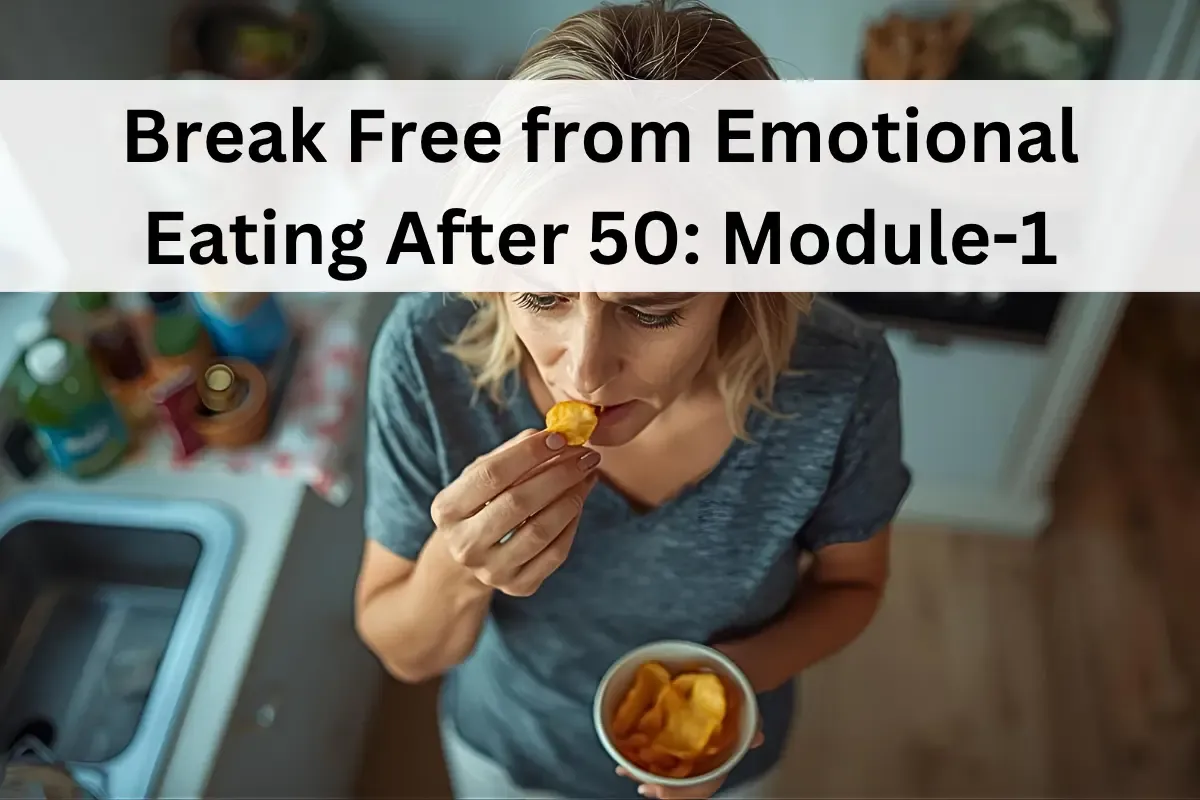
Emotional Eating After 50 — Let’s Talk About It
Struggling with cravings, stress eating, or “just one more bite” moments? This gentle, step-by-step mini-course helps you understand what’s really driving your eating - and find practical techniques to feel back in control again.
Don't Eat After 8pm?
There are studies that show that eating snacks after 8 pm have a negative influence on your health and will make you gain weight. Your metabolism continues to work during the night while you are sleeping, although it continues at a reduced rate.
ZOE, a company specializing in personalized nutrition and health, explains that eating later in the evening is not ideal. According to them, our gut microbes undergo a significant transformation when we're not eating.
They compare this process to sending a cleaning crew to our gut. This crew works to clean our gut lining, making it work better. This nightly cleaning routine gets our digestive system ready for the next day, which helps our metabolism stay healthy.
While everything seems fine during the day, there are times in the evening when you're winding down and find yourself craving a snack. However, the options for snacks usually tend to lean toward unhealthy choices like chips, cheese crackers, or mayonnaise-laden foods. Consuming food before bedtime can lead to unwanted effects, such as acid reflux and elevated blood sugar levels.
Harvard Medical School found that eating later in the day can make you feel more hungry, burn fewer calories, and store more fat. Doing this a lot could make you gain weight. So, it's better not to make it a habit of having late dinners all the time. Even though having one occasionally is fine.

METABOLISM FACTS:
HOW FOOD AND INFLAMMATION AFFECT BELLY FAT
Metabolism is how your body turns food into energy, affecting how efficiently you burn calories and store fat. After 50, metabolism naturally slows due to changes in muscle mass and how your body responds to food.
This slowdown, combined with chronic inflammation, often leads to stubborn belly fat. The good news: you can support your metabolism and reduce inflammation through smart lifestyle choices.
How to Support Your Metabolism?
Keep a healthy lifestyle: eat a balanced diet, move regularly with strength training, get enough sleep, and manage stress. These habits help your metabolism work efficiently and make losing belly fat more achievable - without extreme diets.
1. Stop Feeding Inflammation
Sugar and ultra-processed foods are major inflammation drivers. Sweets, baked goods, sugary drinks, flavoured yoghurts, and packaged snacks fuel inflammation, which contributes to belly fat.
Highly processed foods marketed as “healthy” can also cause inflammation. The goal isn’t perfection but removing the obvious offenders.
Step 2: Move More and Support Your Body
Regular movement lowers inflammation and improves how your body handles blood sugar and fat. Strength training is especially important after 50 because it builds muscle and supports metabolism.
Aim for consistent daily activity, stay hydrated, and focus on supporting your body, not punishing it.
Step 3: Eat Whole Foods That Calm Inflammation
Yes, eating more than your body needs will lead to fat storage - that part doesn’t disappear. But for belly fat, what you eat matters more than obsessively counting calories.
Base your meals on whole foods: vegetables (especially greens), quality protein, healthy fats, and foods as close to their natural state as possible. Whole foods help regulate appetite naturally, reduce inflammation, and make it easier for your body to release stored fat.
When inflammation goes down, belly fat often follows - without extreme restriction.
Health Starts on Your Plate: Choose a Balanced Diet
A balanced diet supports weight management and overall health through nutrient-rich foods and portion control. Focus on the three main nutrient sources - carbohydrates, protein, and fats - to maintain energy, stable blood sugar, and satiety.

Carbs
Carbohydrates are made up of sugar molecules. Once eaten, your body breaks them down into glucose, which fuels your cells, tissues, and organs.
Carbohydrates don’t only come from bread or potatoes. Many whole foods naturally contain carbs, including:
vegetables (especially greens and root vegetables)
fruits
lentils and beans
whole grains such as oats or quinoa
Watch out for refined and processed carbohydrates like white bread, white rice, pastries, sugary cereals, sweets, and candy. They provide quick energy but little real nourishment.

Protein
Protein builds and repairs tissues, maintains muscle, supports metabolism, and aids hormone balance
Rich sources of protein foods are:
lean meats
fish
eggs
dairy
beans
lentils
nuts.

Fats
Fats provide energy, support cell growth, protect organs, and help absorb vitamins.
There are healthy fats and unhealthy fats. Examples of healthy fats are nuts, avocados, seeds, olive oil, and fatty fish.
Examples of less healthy fats are saturated fats (usually solid at room temperature) such as fatty cuts of meat, butter, sausages, bacon, and cheese.
Trans Fats (artificially created fats) such as margarine, fried foods, baked goods, and snacks, are deemed unhealthy.
Top 10 Foods That Will Support Your Metabolism


Lean Chicken - Salmon - Lentils - Chilli Peppers - Caffeine - Ginger - Flax Seeds - Eggs - Broccoli - Oats
Are Carbs Fattening?
Not if you choose whole-food carbs and eat them in moderation.
Refined and sugary carbs can spike insulin, increase fat storage, and trigger cravings. Whole-food carbs support energy, digestion, and appetite control.
Practical Eating Tips
Balanced meals: lean protein + whole grains + vegetables + healthy fats.
Portion control: use smaller plates, heed hunger/fullness cues.
Meal routine: eat at consistent times to stabilise blood sugar.
Hydration: water, herbal teas, or fruit-infused water.
Treats in moderation: occasional indulgences help sustain a healthy diet.
Cook from scratch: control ingredients, fats, and salt.
Download our Weekly Healthy Eating Planner to help you organise your meals and track your nutrition.

METABOLISM'S POWER - EXERCISE
As you grow older, your metabolism tends to slow down, and the body naturally loses muscle mass while accumulating more fat around the midsection.
To lose weight and improve your body shape - getting rid of that extra weight around the middle, increasing physical activity becomes crucial. You need to increase your metabolism.
This can be done in the first instance by simply starting to walk regularly, however, to further boost your metabolism and counter muscle loss, incorporating strength training and resistance exercises into your weekly regimen a few times is essential.

Exercise: HIIT or No HIIT
HIIT OR NOT? Firstly, HIIT stands for High-intensity interval training.
High-intensity interval training involves short bursts of all-out effort, pushing the body to its limits, followed by short recovery periods. This cycle is repeated throughout the workout, creating a potent combination of cardiovascular and strength training elements.
There are targeted workouts for mature females, but there are different opinions by experts on how effective HIIT is.
According to Vince Sant, a fitness author, HIIT needs to be incorporated into your weight loss plan to enable losing weight, while Alex Neilan,sports dietician and accredited HCPC (the Health and Care Professional Council) is not in favour of HIIT.
It is acclaimed that HIIT training burns more fat at a higher rate and you gain an increased metabolism. Experts vary in their opinions regarding the duration of the elevated metabolism.
Moreover, consider the sustainability of your efforts. If you foresee maintaining your routine for only a brief period, perhaps 3-4 weeks or even 3 months, before feeling overwhelmed and disinterested, it might be more advantageous to adopt exercises that seamlessly integrate into your daily life for the long term.
You also have to take into consideration if it is feasible for you to do HIIT training and it is recommended to take medical advice if you are unsure if it is the right thing for you to undertake.
Brisk Walking and Steady Regular Exercise Routines
Instead of HIIT, try engaging in brisk walking and regular exercise routines, including some muscle strengthening and resistance training. This can significantly impact your metabolism, providing greater benefits.
When you maintain a regular pattern of brisk walking or steady exercise, it effectively stimulates your metabolism, leading to improved calorie burning and overall energy expenditure.
If you prefer flexibility in your daily exercise routine, exploring YouTube workout videos could be beneficial.
Two specific content creators, Petra Genco and Fabulous 50 offer a variety of free videos, ranging from 5 to 30 minutes, allowing you to choose your preferred duration. These videos can be played or downloaded without the need for any gym equipment.
METABOLISM: RELAX AND SLEEPING WELL
Yes, even sleep plays a significant role in regulating metabolism. A lack of sleep or poor-quality sleep can affect various hormonal and metabolic processes in the body, potentially leading to alterations in appetite, energy expenditure, and weight management.
Lack of sleep can increase stress hormone (cortisol) levels, which may contribute to increased fat storage, particularly around the abdominal area (including visceral fat)
Ensuring an adequate amount of sleep is crucial for regulating stress hormones, promoting a healthy metabolism, and supporting overall well-being. Inadequate sleep has been connected to disturbances in metabolism.
Women over the age of 50 grappling with sleep challenges may encounter difficulties in preserving a healthy metabolic balance, potentially affecting their overall health. To learn more about improving your sleep naturally, check out our comprehensive guide on how to improve sleep naturally.
To ensure that you get a good sleep pattern, it works best if you go to bed and get up at the same time each day, even on the days you normally would sleep in.
THE TRUTH ABOUT LOSING WEIGHT:
BEYOND CALORIES IN VS. CALORIES OUT
For women over 50, effective weight loss isn’t about strict calorie counting or extreme diets. It’s about eating what your body needs, focusing on nutrient-rich whole foods, and supporting overall health - not depriving yourself or cutting out essential nutrients.
A slight calorie deficit can help, but it’s secondary to choosing foods that reduce inflammation, maintain muscle, and keep energy stable. Your body still needs carbohydrates - though not necessarily large amounts of starchy carbs like potatoes or white rice — along with protein and healthy fats to function properly.
Habits That Support Healthy Fat Loss
Eat a Balanced Diet: Include carbs, protein, and fats from whole foods - vegetables, legumes, lean meats, and healthy fats. These provide nutrients your body needs and help regulate appetite naturally.
Move Regularly: Strength training plus cardio builds muscle and helps your body use energy more efficiently, making fat easier to lose.
Choose Whole, Minimally Processed Foods: Sugar and ultra-processed foods fuel inflammation and fat storage. Focus on nutrient-dense, satisfying meals instead.
Manage Stress: Chronic stress encourages fat storage. Deep breathing, yoga, or meditation can help.
Prioritise Sleep: Poor sleep disrupts fat metabolism and appetite regulation. Aim for 7–9 hours per night.
Consider Health Factors: Hormonal changes, menopause, and medical conditions can affect weight. Consult a healthcare professional if needed.
Why Diets Don't Work in the Long Term
While dieting might offer short-term weight loss, it often slows down your metabolism, making it harder to keep the weight off in the long run. Instead of opting for restrictive diets, focus on a balanced diet that you can sustain for the long term. This will help maintain your metabolic rate and encourage healthy weight loss without the rebound effects of dieting.
FINAL THOUGHTS - ON A PERSONAL NOTE
If you’re like me - someone who loves good food and the occasional glass of wine - you can still embrace a healthier lifestyle without giving up what you enjoy.
It’s the small, consistent changes that make the difference: eating a balanced diet, choosing foods that reduce inflammation, moving your body regularly, prioritising sleep, and making time to relax.

Everyone has different tastes, so experiment. If green tea isn’t for you, skip it. If HIIT sounds appealing and is suitable for you, give it a try!
Over the years, I’ve experimented with many exercise routines. What’s worked consistently is short, flexible workouts designed for women over 50 - often available on YouTube, with music to make it enjoyable.
I can do them first thing in the morning, anywhere, and choose the intensity based on how I feel, usually between 8 and 25 minutes.
Adding a few weights has been a positive boost, supporting strength, posture, and overall well-being.
Feeling good doesn’t always mean instant weight loss, but consistency pays off. Over time, this approach shapes your body, improves your appearance, and gently reduces belly fat - a true win-win.
It’s never too late to honour your body, question the myths, and choose foods and movement that make you feel alive - your best years are still ahead.
Stay Updated - Sign Up for My Newsletter
Stay informed with expert advice for women over 50, right in your inbox. Join me!
Latest Articles:
Your Senior Journey - Supporting women over 50 through life's changes with confidence and healthy living.
© 2026 - yourseniorjourney.com - all rights reserved.