Your Senior Journey
Your Senior Journey
The Purpose Gap: Understanding Your Partner’s Retirement Stress Through New Research
Disclaimer: This post may contain affiliate links; I may earn a commission at no extra cost to you.
By John Sanabria | Doctoral Researcher
Retirement Is More Than Leaving Work
When people talk about retirement, it’s usually in positive terms - more freedom, less pressure, finally getting time back.
But in my experience, both through my HR background and my doctoral research, I’ve seen that it isn’t always that simple. For many men, retirement is not just a lifestyle change. It’s a shift in identity.
After decades of having a role, structure, and responsibility, that suddenly changes. Some adjust quickly. Others don’t. And the difference often isn’t obvious at first.
What I’ve noticed is that the impact often shows up at home before anything else.
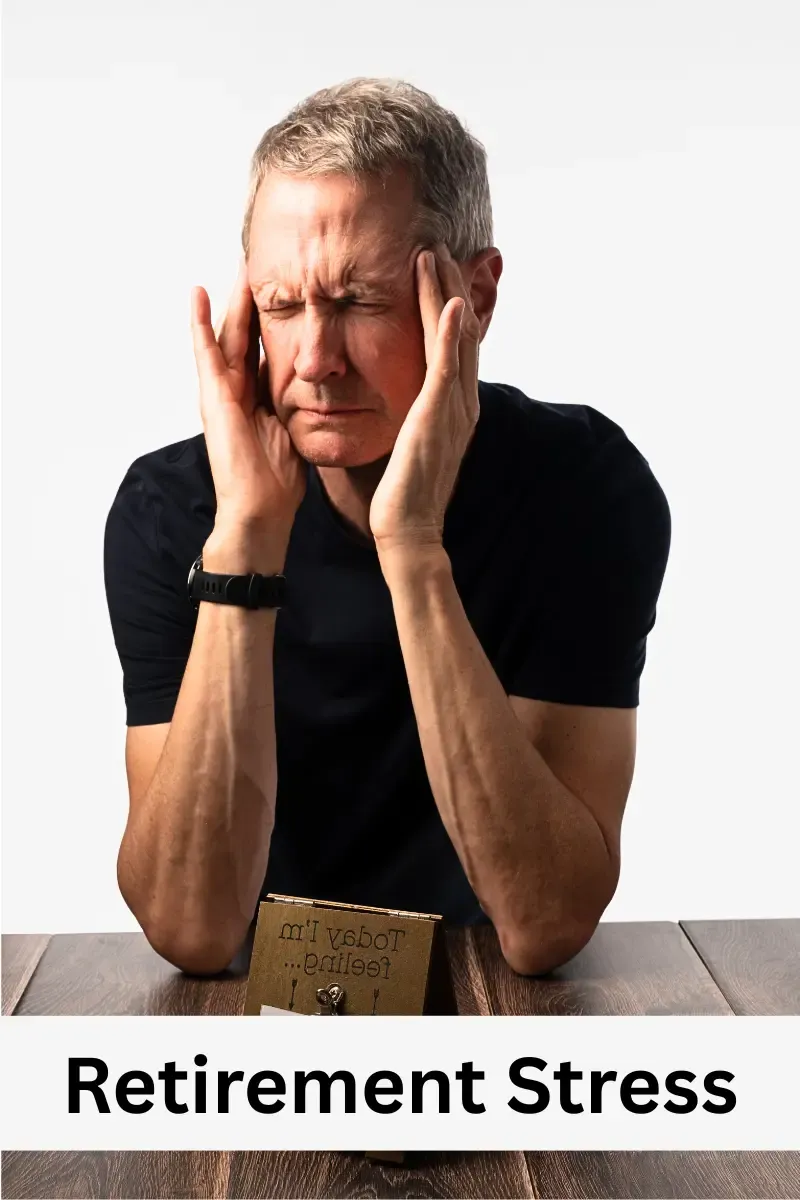
Why Many Men Struggle in Silence
One thing I’ve seen repeatedly is that many men don’t easily talk about what they’re experiencing during this transition. For a lot of them, work has been more than just employment.
It’s been routine, purpose, social connection, and a sense of being needed. When that stops, there can be a kind of quiet disruption that’s hard to explain.
At the same time, many men weren’t really raised to talk openly about uncertainty or emotional discomfort. So instead of naming it, they tend to hold it in. From the outside, everything might look fine. But something can feel different.
How Retirement Stress Shows Up at Home
This is often where partners start to notice changes.
It might look like:
Pulling back or spending more time alone
Irritability or being more easily frustrated
Restlessness, or not quite settling into the day
A drop in motivation or energy
A general sense that something feels “off”
These changes are usually subtle at first, but over time they can affect the tone of everyday life at home.
And for partners, it can be hard to know how to respond.
The “Purpose Gap”
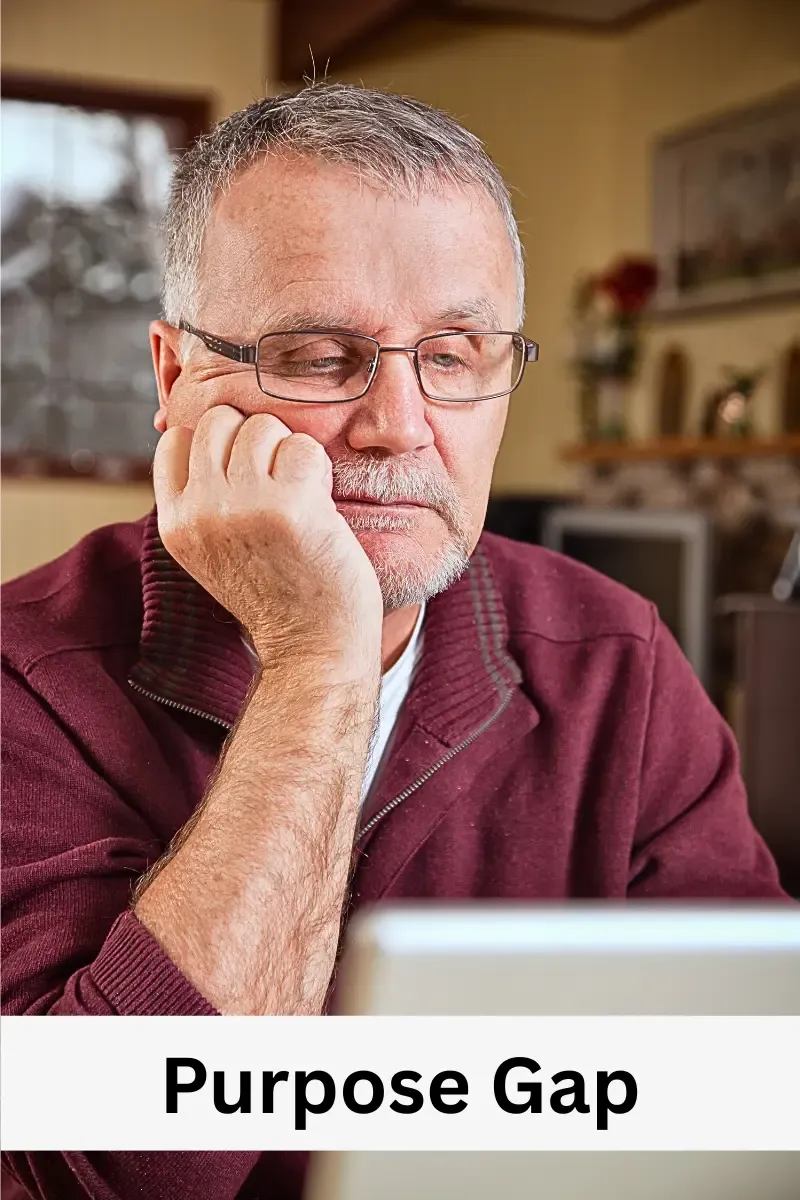
In my doctoral research, I’ve spent time speaking with men directly about their transition into retirement. One theme comes up again and again: the loss of structure and purpose.
I often describe this as a “purpose gap.”
Work tends to provide a built-in sense of direction - what the day looks like, what needs to be done, and where contribution happens. When that disappears, there isn’t always something ready to replace it.
Some men fill that gap quickly with new routines or interests. Others take longer. And during that time, there can be a sense of drift that they themselves don’t always understand.
How You Can Support Without Carrying Everything
For partners, this can be a difficult space to navigate because the instinct is often to step in and try to fix it.
But in many cases, support is less about fixing and more about steady presence.
Things that often help include:
Giving space, but not emotional distance
Listening without immediately trying to solve it
Recognising this as a real transition, not just “being retired”
Encouraging new activities, but without pressure
It’s also important not to feel like you’re responsible for resolving everything. You can support someone without taking on the emotional weight of their transition.
When It Might Be Time for Extra Support
For some people, this phase passes as they find new rhythm and structure. For others, the shift can linger longer than expected.
If you notice ongoing withdrawal, low mood, or a noticeable change in personality over time, it may be worth gently encouraging outside support or new forms of engagement. Sometimes just having a different space to talk can help more than we expect.
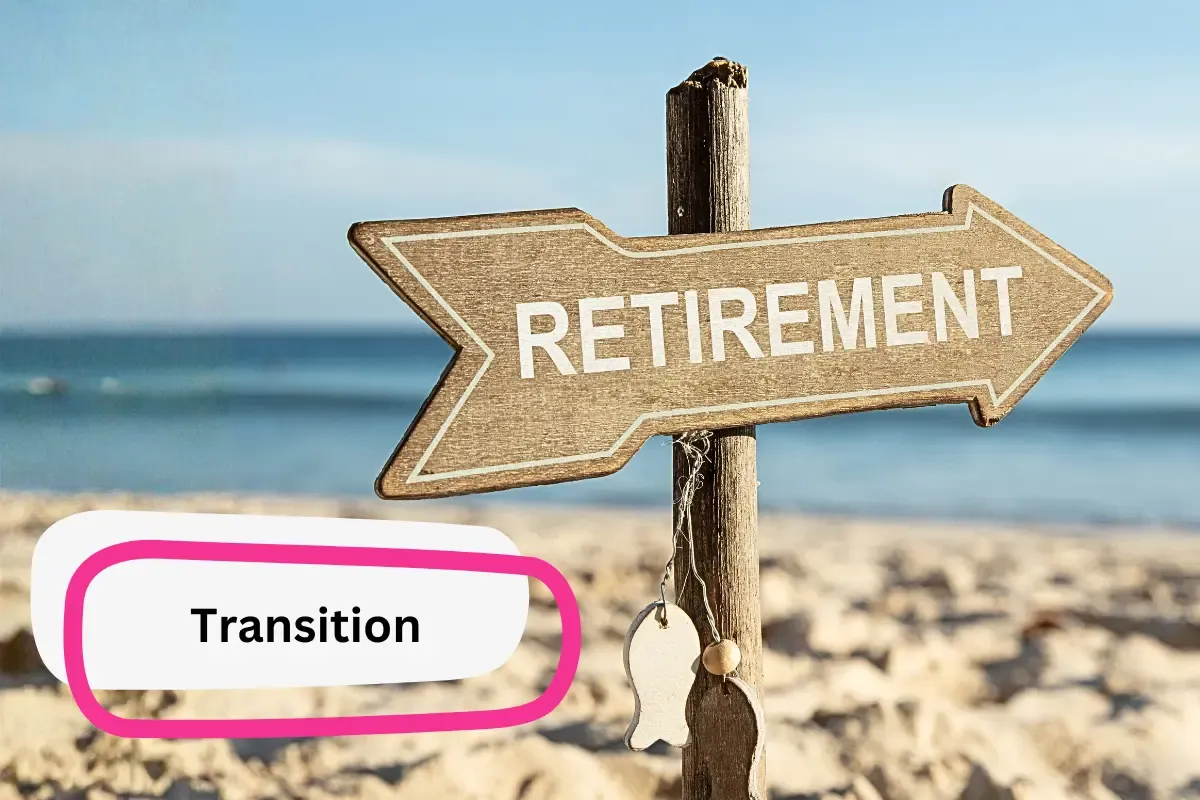

A Transition, Not a Destination
One of the things I’ve learned through both research and experience in HR is that retirement is rarely an immediate adjustment. It tends to be a transition, and sometimes a messy one. There can be a period where things feel unclear before something new settles in.
I’ve seen couples move through this in very different ways. Some find a new rhythm fairly quickly. For others, it takes longer and requires more patience and understanding on both sides.
But over time, many do find a way forward that feels more balanced again.


ABOUT THE AUTHOR
John Sanabria is a doctoral researcher studying the psychological transition into retirement. With a background in HR, he has supported many employees through retirement and observed the wide range of emotional experiences that can follow.
John’s study on retirement transitions was recently featured in the Nashua Sunday Telegraph (March 2026).
Learn more about John’s research on LinkedIn.
ABOUT THE AUTHOR
John Sanabria is a doctoral researcher studying the psychological transition into retirement. With a background in HR, he has supported many employees through retirement and observed the wide range of emotional experiences that can follow.
John’s study on retirement transitions was recently featured in the Nashua Sunday Telegraph (March 2026).
Learn more about John’s research on LinkedIn.

Stay Updated - Sign Up for My Newsletter
Stay informed with expert advice for women over 50, right in your inbox. Join me!
Latest Articles:
Your Senior Journey - Supporting women over 50 through life's changes with confidence and healthy living.
© 2026 - yourseniorjourney.com - all rights reserved.