Your Senior Journey
Your Senior Journey
Chronic Pain Recovery: My Journey with Pain Reprocessing Therapy and the Mindshift to Vitality
Disclaimer: This post may contain affiliate links; I may earn a commission at no extra cost to you.
Chronic pain recovery felt like a distant dream as I looked at my light dumbbells with quiet resentment. My shoulder didn't just hurt; it felt like a betrayal.
I wanted to be that strong, vibrant woman - the kind of grandmother who can scoop up a grandchild without a second thought or spend an afternoon in the garden without "paying for it" the next day.
Instead, I was trapped in a cycle of "bracing" myself for a twinge that never seemed to leave.
It made me angry. I didn't want to be "that older woman" with her endless aches and pains. I was finally on my road to getting fitter, stronger, and healthier, and now it all seemed to stop.
My first experience with a physio gave me hope, but when the physical exercises didn't change things, I was ready to book a cortisol injection.
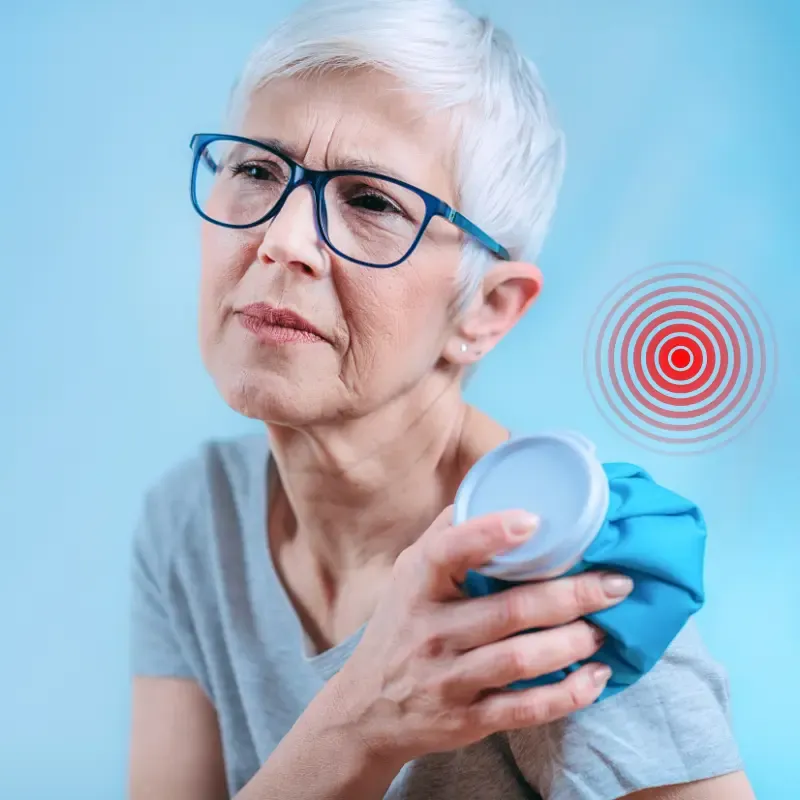
That was until I watched a programme with Dr Rangan Chatterjee about Pain Reprocessing Therapy (PRT). I love how down-to-earth he is; his deep dive into the science of the mind-body connection was exactly what I needed to hear.
I already knew how deep breathing and mindfulness helped my emotional state, so when I heard there was a proven way to use these tools for chronic pain recovery, I knew I had to listen.
The Missing Link: Why the Pain Stayed After the Injury
We often assume that chronic pain is purely about the physical damage. In my case, it started clearly enough - I was lifting a heavy pallet and felt my shoulder go. But while the pallet was the trigger, I’ve had to ask myself why the pain stayed long after the tissues should have healed.
I realised by watching the program that it wasn't just about the physical weight of that pallet; it was about the internal weight I was carrying at the time. As women over 50, we often put immense pressure on ourselves to achieve.
When you are no longer "the mother at home" or "the person in charge of the office," there is an immense pressure to be "the woman who has it all figured out." We put pressure on ourselves to be the perfect, fit grandmother, the successful entrepreneur, or the vibrant traveller. For me, that internal drive - that "pushing" to meet my own high expectations - meant my nervous system was already on high alert.
Even with the house getting quieter, my mind was loud with the pressure to perform. When the injury happened, my brain didn't see a simple strain; it saw a threat.
My brain was so worried that I would push myself too hard or mess things up that it "switched on" the pain to force me to stop. It was like a safety lock - it tried to protect me by keeping me still.
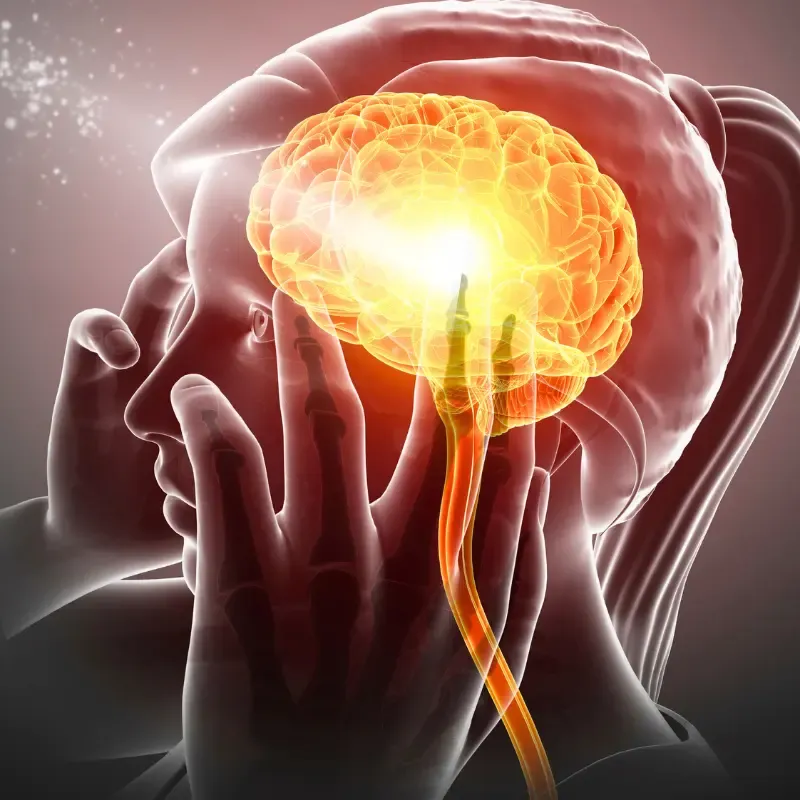
This is the heart of neuroplastic pain. My nervous system forgot how to turn off that "safety lock" because I was still putting myself under so much pressure to achieve.
This change can be the beginning of finding your true self. It is the moment you learn to tell your brain that you are safe, you are enough, and it can finally let go of the brake.
The Science: Understanding Neuroplastic Pain
If you are living with long-term discomfort, you might be dealing with neuroplastic pain. This is when the brain "learns" to be in pain, even after an initial injury has healed.
Think of it like a smoke alarm in your kitchen. The alarm is there to protect you from a fire, but the sensors have become so sensitive that the siren wails every time you merely toast a piece of bread. There is no fire, but the noise is very real.

What is Pain Reprocessing Therapy (PRT)?
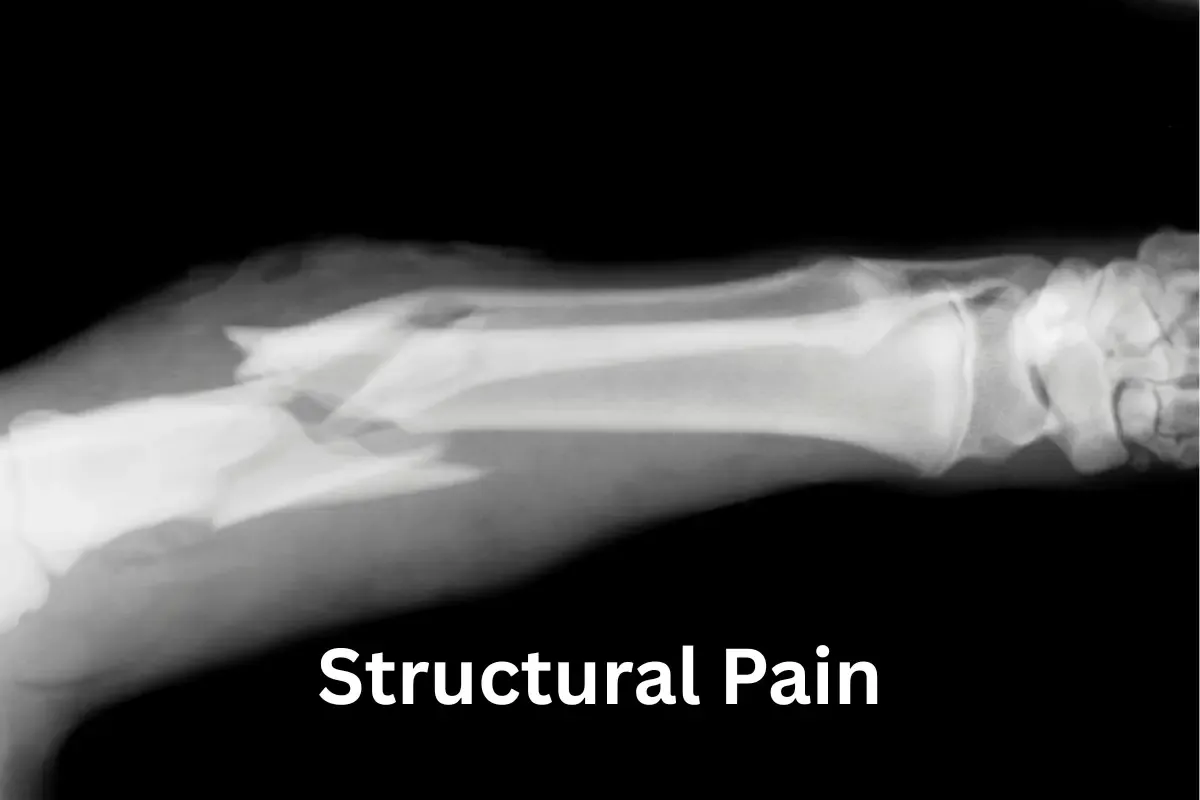
So, what exactly is this therapy that caught my attention? Basically, Pain Reprocessing Therapy (PRT) is a way of retraining your brain to read your body’s signals correctly. It is essential to note that this is for pain that persists after an injury has healed, or where no structural cause can be found.
When you have a fresh injury, the pain is a necessary alarm telling you to protect a physical wound while it heals. But with chronic pain, that alarm has simply become stuck in the "on" position; PRT helps you show your brain that the danger has passed.
Think of PRT as the whole toolkit for recovery. It includes everything from learning the science of pain to using deep breathing and positive self-talk to lower your cortisol levels.
The Science in Action
Experts like Dr Howard Schubiner, the director of the Mind-Body Medicine Centre and author of Unlearn Your Pain pioneered this science-backed approach. He explains that a hyper-vigilant brain can manifest as various mind-body symptoms.
The conditions he identifies as often being neuroplastic include:
Fibromyalgia, Headaches and Migraines
Chronic back pain
Anxiety and depression
Irritable Bowel Syndrome (IBS)
Chronic Fatigue
To see this science in practice, look at the recent clinical research from the University of Colorado Boulder.

Photo by Bill Jellick, Bill Jellick Photography.
Licensed under CC BY 4.0.
Their study found that 66% of chronic back pain sufferers were pain-free or nearly pain-free after just four weeks of Pain Reprocessing Therapy. The researchers proved that the brain can "learn" pain as a habit, but we can also teach it to unlearn it.
Watch the report below to see how patients physically changed the pain-associated regions of their brains by treating the sensations as a "false alarm."
Researchers Test 'Pain Reprocessing Therapy' to Eliminate Back Pain
Somatic Tracking: From 'Danger' to 'Data'
If PRT is the toolkit, Somatic Tracking is the most important tool inside it. This is the active exercise where we learn to observe our sensations with neutral curiosity.
When we are in pain, we often fall into a "Fear-Pain Cycle." For example, your brain might think, "If I lift this, I'll injure my shoulder," and it creates a sharp pain signal to stop you from moving altogether.
Instead of reacting with "Oh no, here it goes again," Somatic Tracking helps you shift to saying: "I feel a sensation of warmth and tightness, but I am perfectly safe." By approaching the discomfort with a relaxed spirit, you effectively "teach" your brain that there is no need for a protective pain response.
The Self-Compassion Mindshift - use Journalling
Our minds often hold onto "messy" feelings like self-criticism or the heavy sense that we aren't doing enough for those around us. If you choose not to judge these feelings and instead give them a chance to be heard, something amazing happens to your nervous system.
To move into a state of true mind-body safety, we must actively practice self-compassion.
Next time you feel a flare-up, try journaling on these specific questions:
What am I currently blaming myself for? (Think about the "I should have..." or "I could have..." thoughts swirling in your mind).
What do I feel I haven't done "right" lately? (Be honest about the pressure you are putting on yourself to be perfect).
What was I feeling the moment the pain flared? (Did you feel overwhelmed, unheard, or unsupported in your daily tasks?)
What was I inwardly telling myself? (Common ones are "I have to handle this alone" or "I must be the strong one").
Sentences to tell yourself to create safety:
"It is not your fault that you feel this way."
"Whatever happens, we stand together; I am right here with you."
"You are allowed to feel overwhelmed. It makes sense why you feel this."
"I am safe in this moment, and my body is capable of healing."
The Wellness Shift: Calm as a Skill
I’ve learned that being calm isn't just a feeling; it’s a skill that needs practice. While PRT gave me the intellectual understanding, I needed a physical tool to bridge the gap and truly signal to my body that it could stand down.
I found that my nervous system required a daily "reset button." This is where I began my journey through The M Word by Emily Fletcher.
It isn’t a quick fix - it is a comprehensive 33-lesson journey that walks you through Mindfulness, Meditation, and Manifesting.

It was the tool that helped me turn theory into practice, helping me reclaim the confidence to return to my strength exercises with a "green light."
I am no longer simply managing the pain; I am finally reclaiming my vitality and my health. This shift isn't just about my physical body, but about getting back to the vibrant life I deserve to lead.
A Structured 33-Day Programme for Mind-Body Safety
Learning the theory of Pain Reprocessing Therapy (PRT) is a vital first step in reframing your pain. However, I found that I needed a structured, daily practice to actually train my body to feel safe again.
If you are ready for a deeper transformation and want a step-by-step programme to help you get there, I highly recommend The M Word by Emily Fletcher.
This is a 33-lesson journey designed to quiet that "midlife alarm" and help you reclaim your vitality with genuine confidence. It was the missing piece in my own emotional well-being toolkit.
While individual clips can be found online, the official membership provides the essential workbooks and community support needed to make these changes last.
Affiliate Note: If you choose to invest in your well-being through this link, I may earn a commission at no extra cost to you.
Does it Really Work?
I am at the beginning of this journey, but the shift is already profound. I am no longer a victim of my shoulder; I am the leader of my nervous system.
In practical terms, this means I am sleeping better and flooding my brain with constant ‘safety’ messages. I have started to exercise again, moving gently and listening to what my body actually needs.
I am also finally getting the hang of meditation, though the biggest hurdle is simply making time for it. Like many of us, I often tell myself I am far too busy to sit still, but I am learning that this stillness is exactly what my recovery requires.
I am moving toward being that strong older woman who can keep up with her grandchild, not because I’m "pushing through" the pain, but because I’ve unlearned the need for it.
Understanding the nervous system is just one part of the puzzle; you can find more tools for emotional healing and stress relief here
P.S. I am not a doctor. I am a woman sharing my experience. If you are struggling, I highly recommend checking out the work of Dr Rangan Chatterjee and Dr Howard Schubiner.
How to Get Expert Help
If you feel that your pain might be neuroplastic, there are wonderful organisations dedicated to this work. Whether you are in the UK or the USA, professional guidance is available to help you retrain your nervous system.
In the UK: SIRPA
For those of us in the UK, SIRPA is the leading organisation for mind-body medicine. They provide a directory of trained practitioners and resources specifically tailored to our healthcare system.
In the USA: The Mind-Body Medicine Centre
If you are based in the States, you can reach out directly to Dr Howard Schubiner’s team at the Mind-Body Medicine Centre. They offer specialist assessments to help you determine if your pain is structural or neural circuit-based.
Upcoming Event: Living Proof (Manchester, April 2026)
I am also thrilled to share that Dr Schubiner will be speaking in person at the Living Proof Live Event in Manchester this April. This is a rare opportunity to hear from the pioneer of PRT right here in the UK.

Stay Updated - Sign Up for My Newsletter
Stay informed with expert advice for women over 50, right in your inbox. Join me!
Latest Articles:
Your Senior Journey - Supporting women over 50 through life's changes with confidence and healthy living.
© 2026 - yourseniorjourney.com - all rights reserved.